Eight churches and chapels are
affected by Garzweiler II
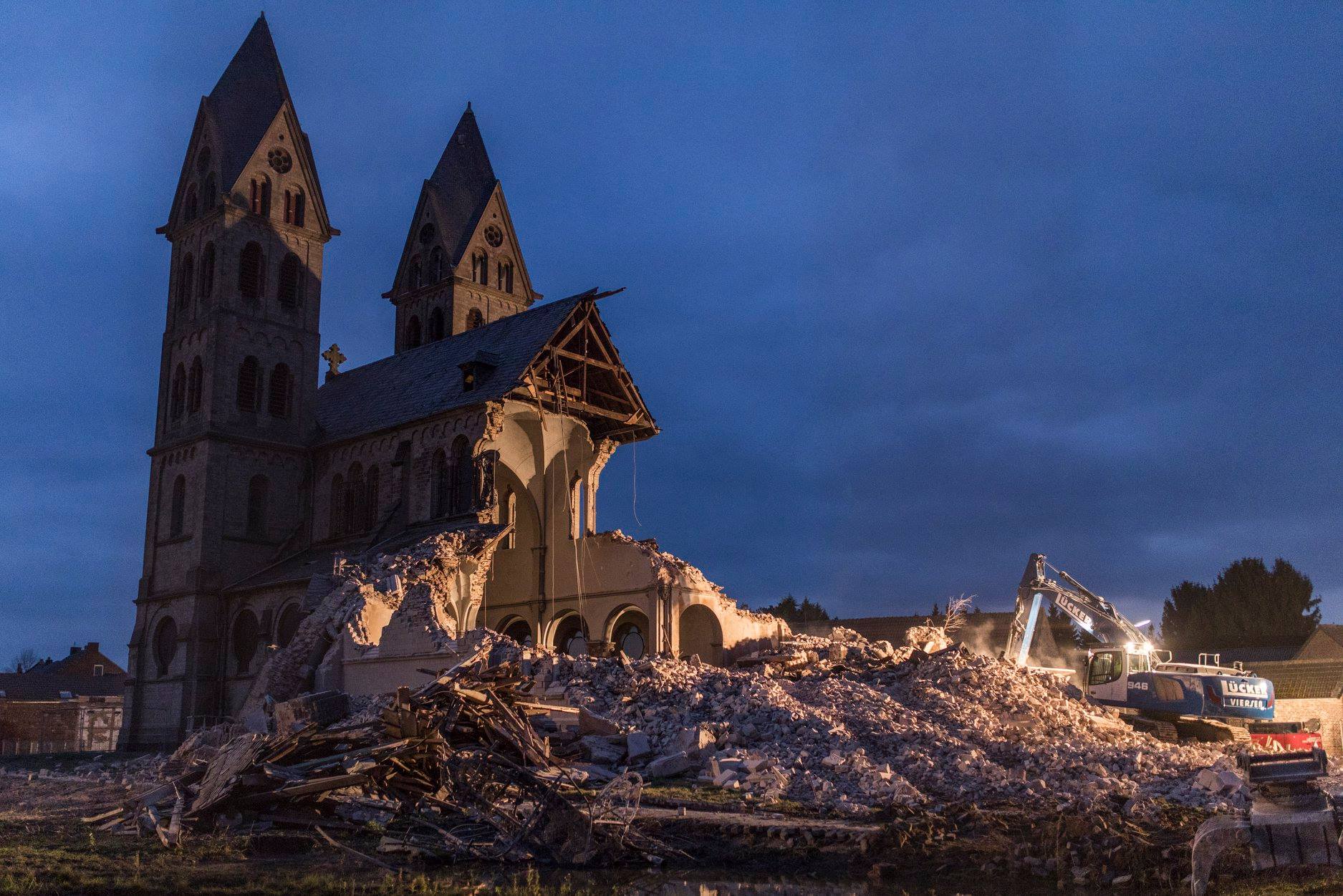
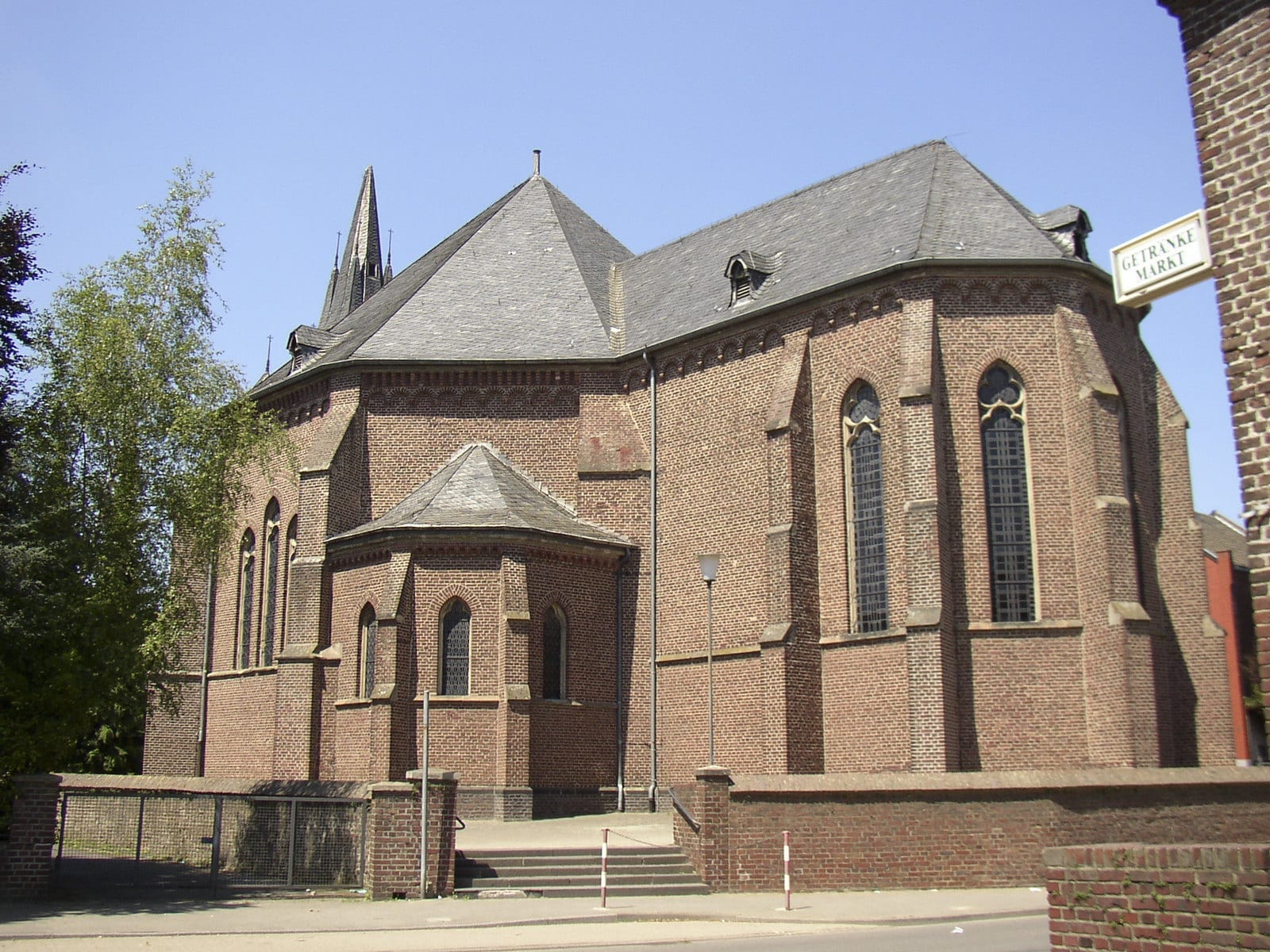
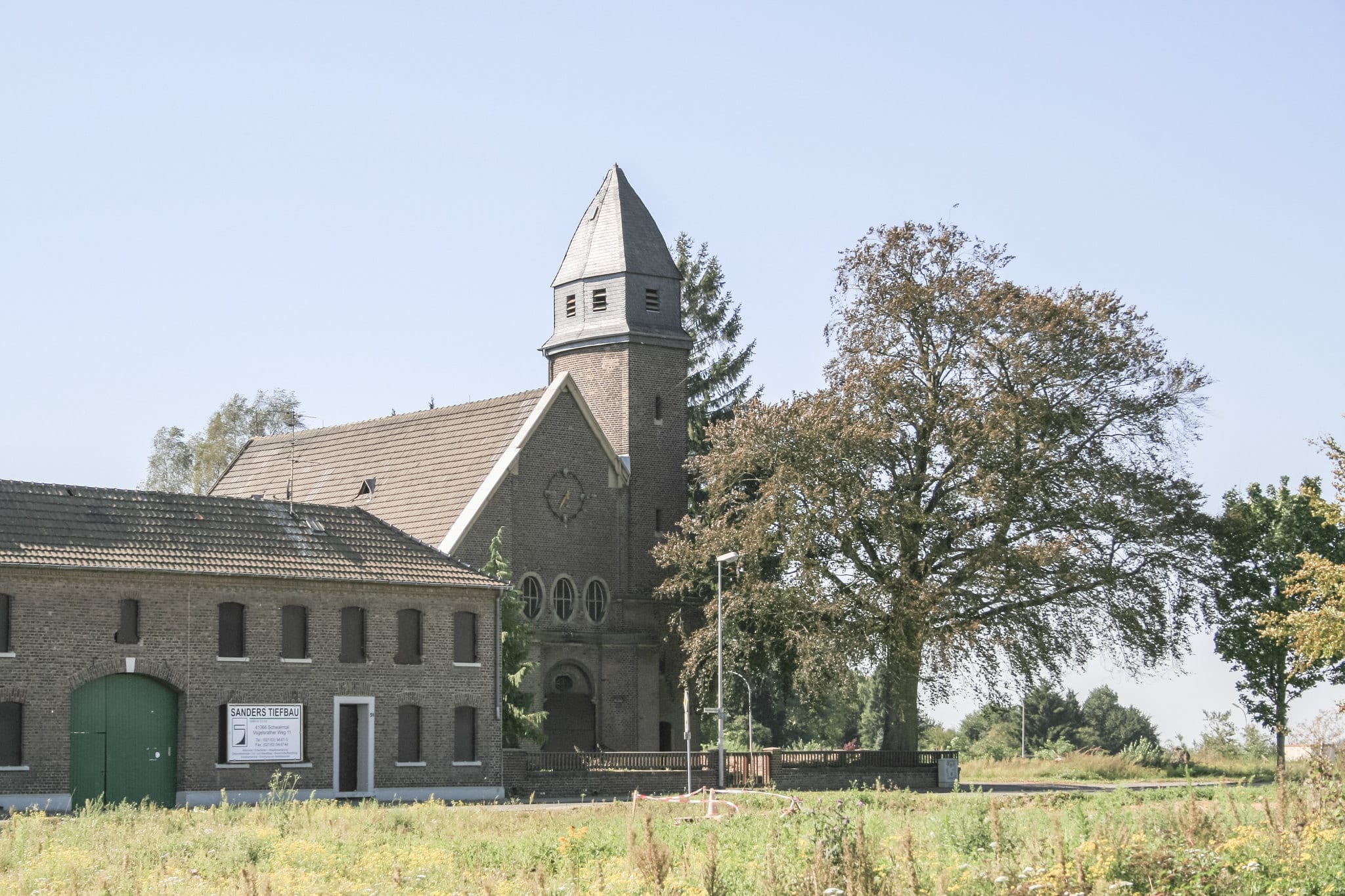
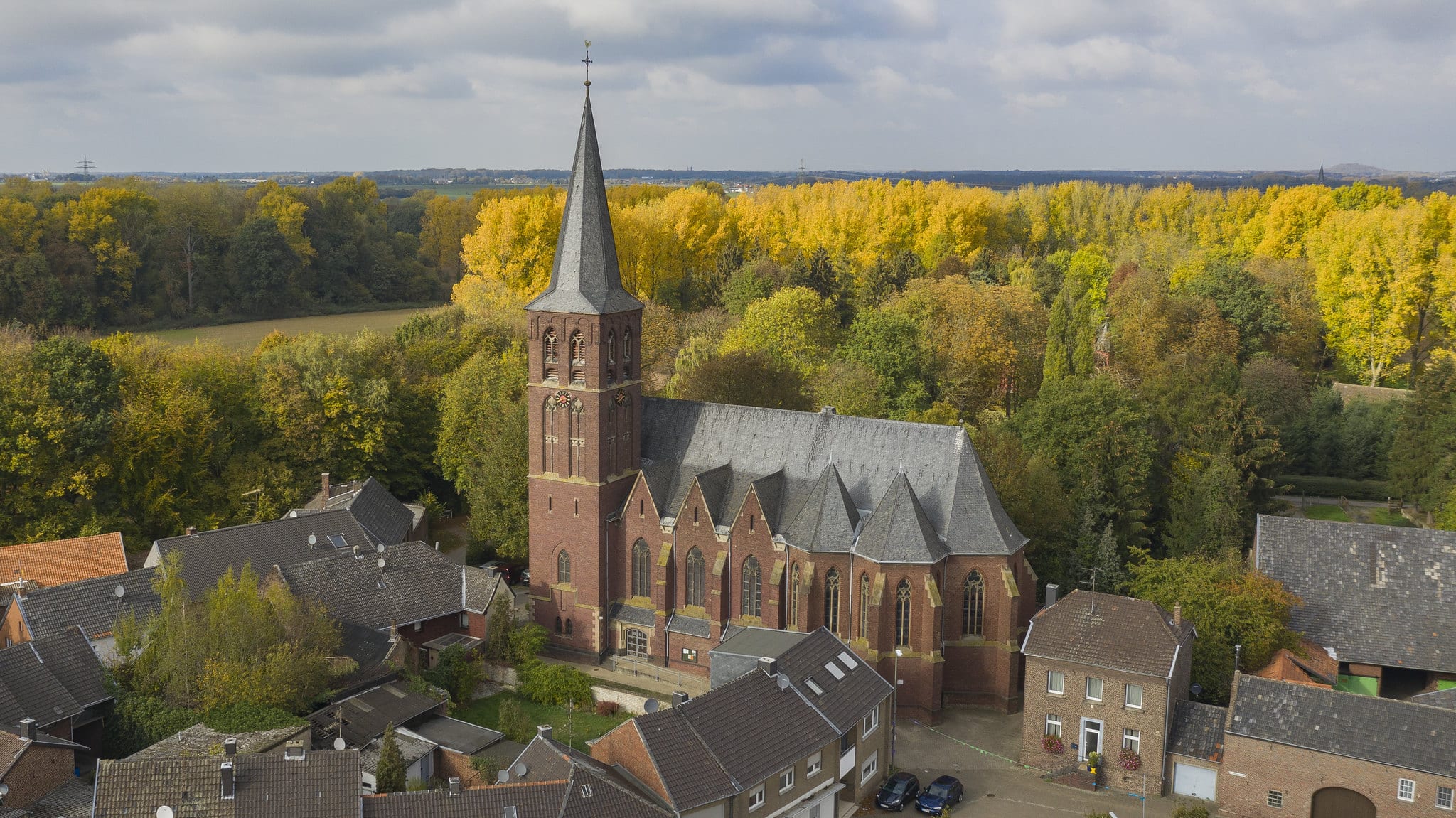
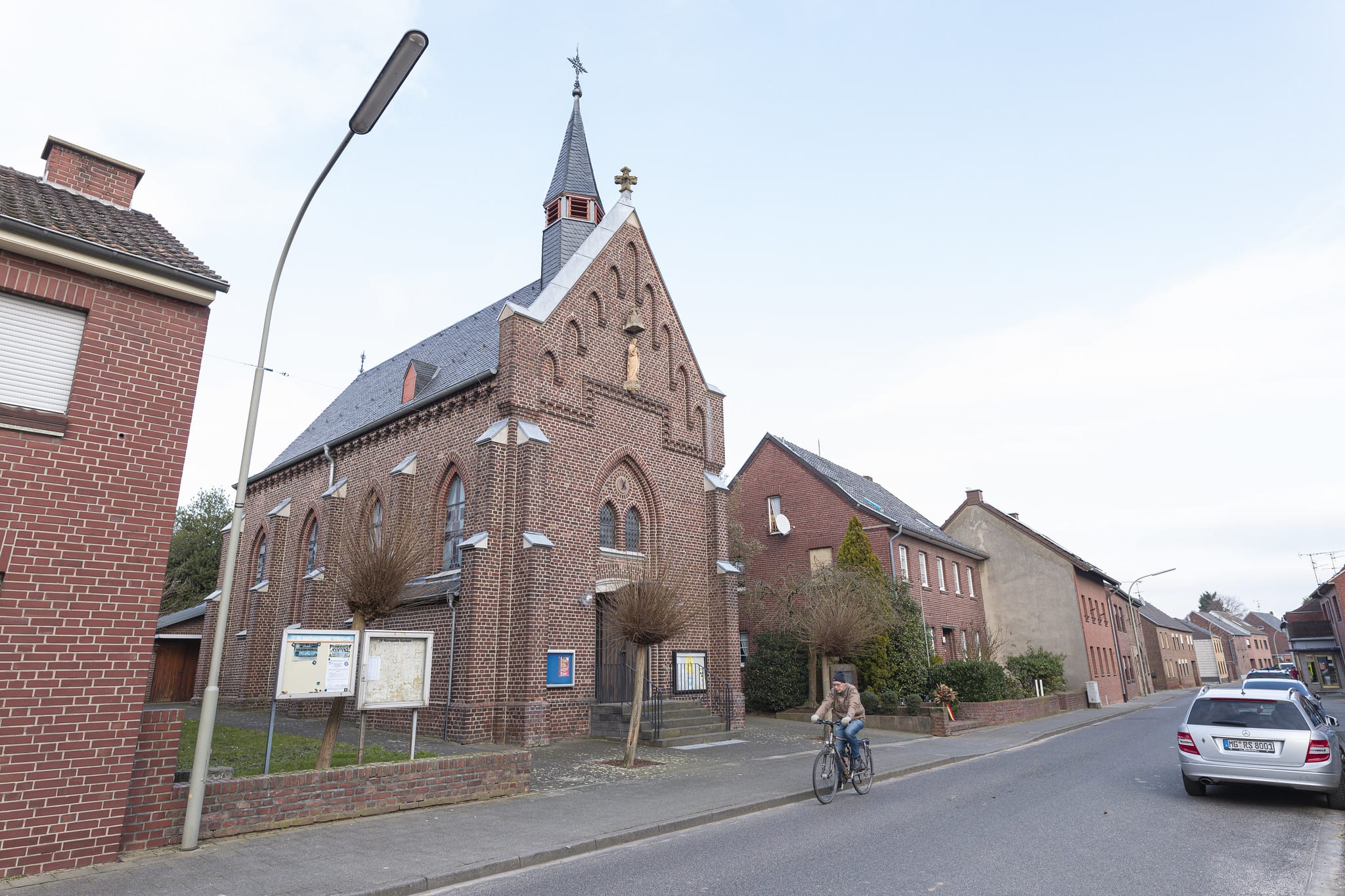
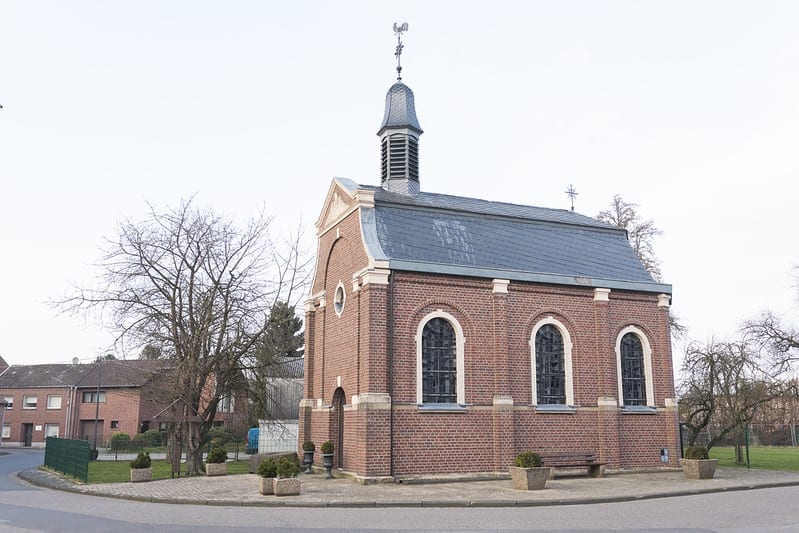
Of course, not only residential and commercial buildings are affected by relocation, but also church buildings. In the mining area of Garzweiler II there were eight churches and chapels that were directly affected by the opencast mining. Basically, the situation is the same with churches as with other buildings in the mining area: RWE, as a miner, acquires the buildings and land and levels them in preparation for the approaching open-cast mining. The churches in the mining area naturally have a special significance as a landmark, as a symbol of resistance, as a center of village life and, especially with the demolition of the imposing church of Immerath at the beginning of 2018, there is also a lot of media attention when it comes to the demolition of the sacred buildings.
The last service
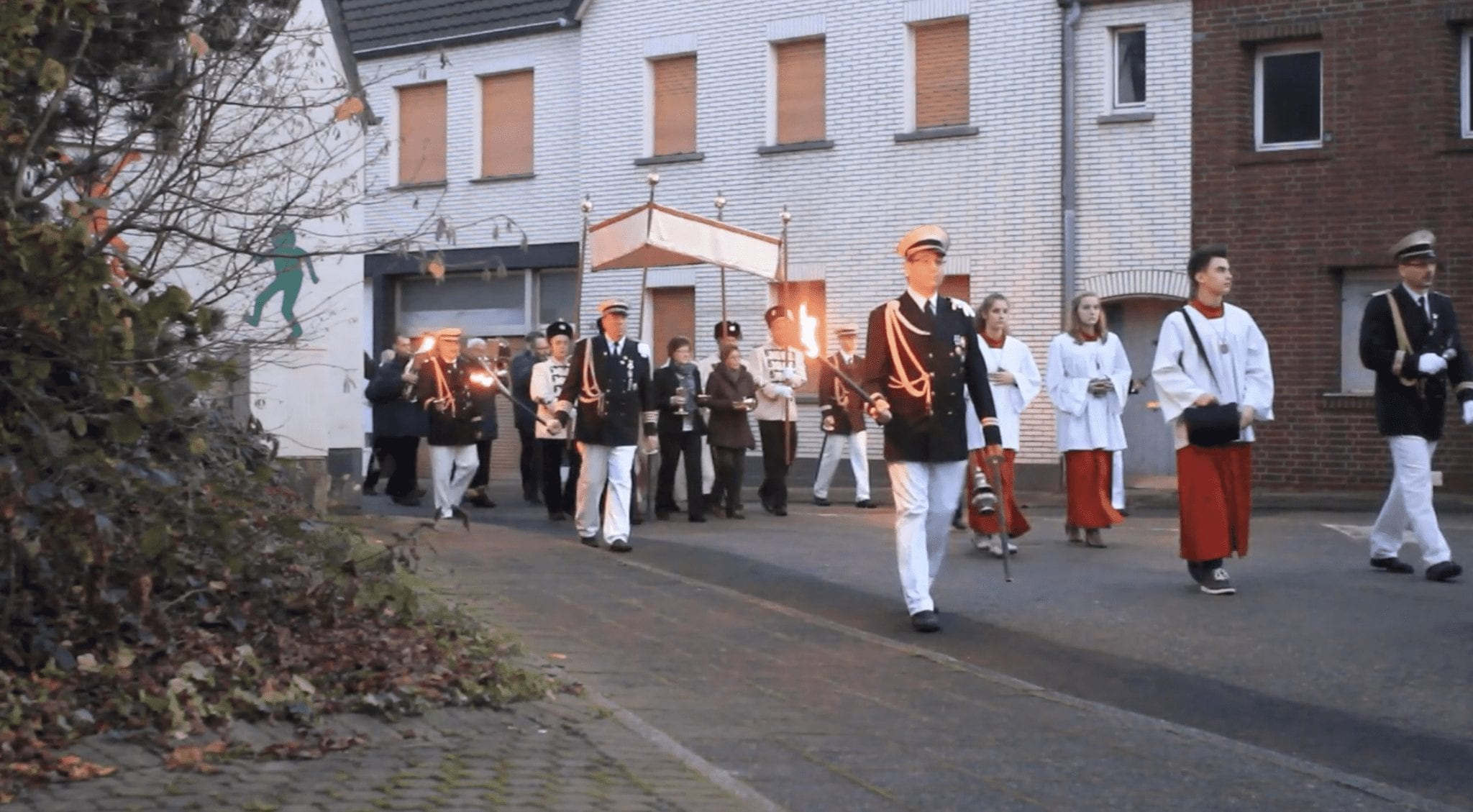
Profanization service of St. Martinus Borschemich on November 23, 2014

Extract from the programme for the final church service at St. Lambertus in Immerath on 13 October 2013
Excerpt from the Church of St.Martinus Borschemich, after the final service on November 23, 2014
Preparation for demolition
Towards the end of the resettlement, when only a few residents still live in the old villages and the majority of the remaining buildings have already been demolished, the churches come to an end. However, before the demolition excavators arrive, parts of the old church are often salvaged. Either to store them or to present them in some form in the new location. Parts of the facility are also sold to other communities, such as the organ from St. Martinus to Borschemich. In Otzenrath the central column of the Catholic church was saved from demolition, in Borschemich the bells, tower cross and the dials of the tower clock were saved. In Immerath the bells and spires were also dismantled and at short notice, days before the demolition, parts of the church windows were also removed.


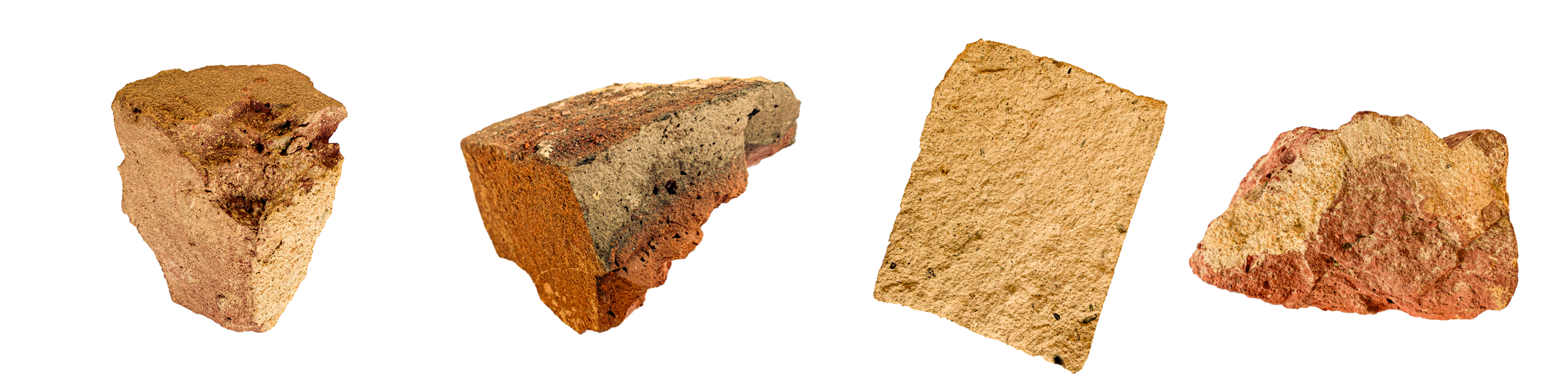
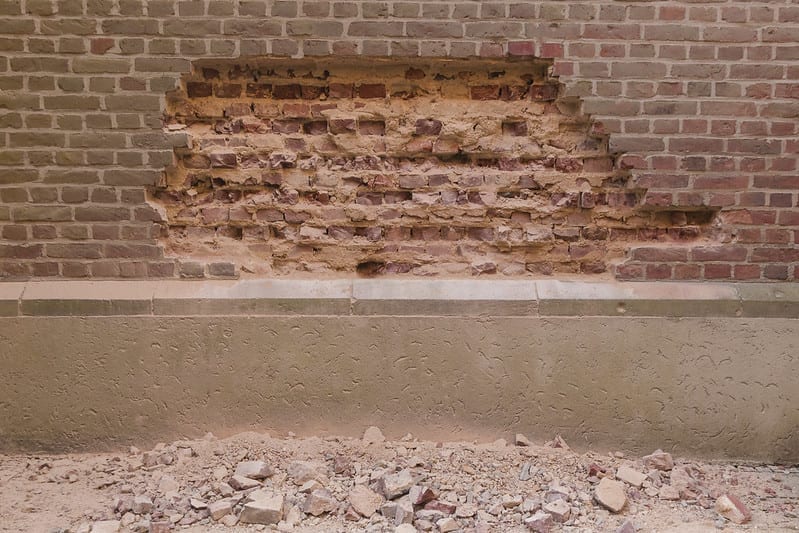
In both Immerath and Borschemich, the residents of the old villages were the first to work on their old churches. They broke stones from the buildings so that they could distribute them as souvenirs to those attending the last service.
Select locations on the map · Historical planning status · Move map sideways

All locations and times as a list
Hans Willi Schulte breaks the first stones from the old church St. Martinus in Borschemich, November 23, 2014
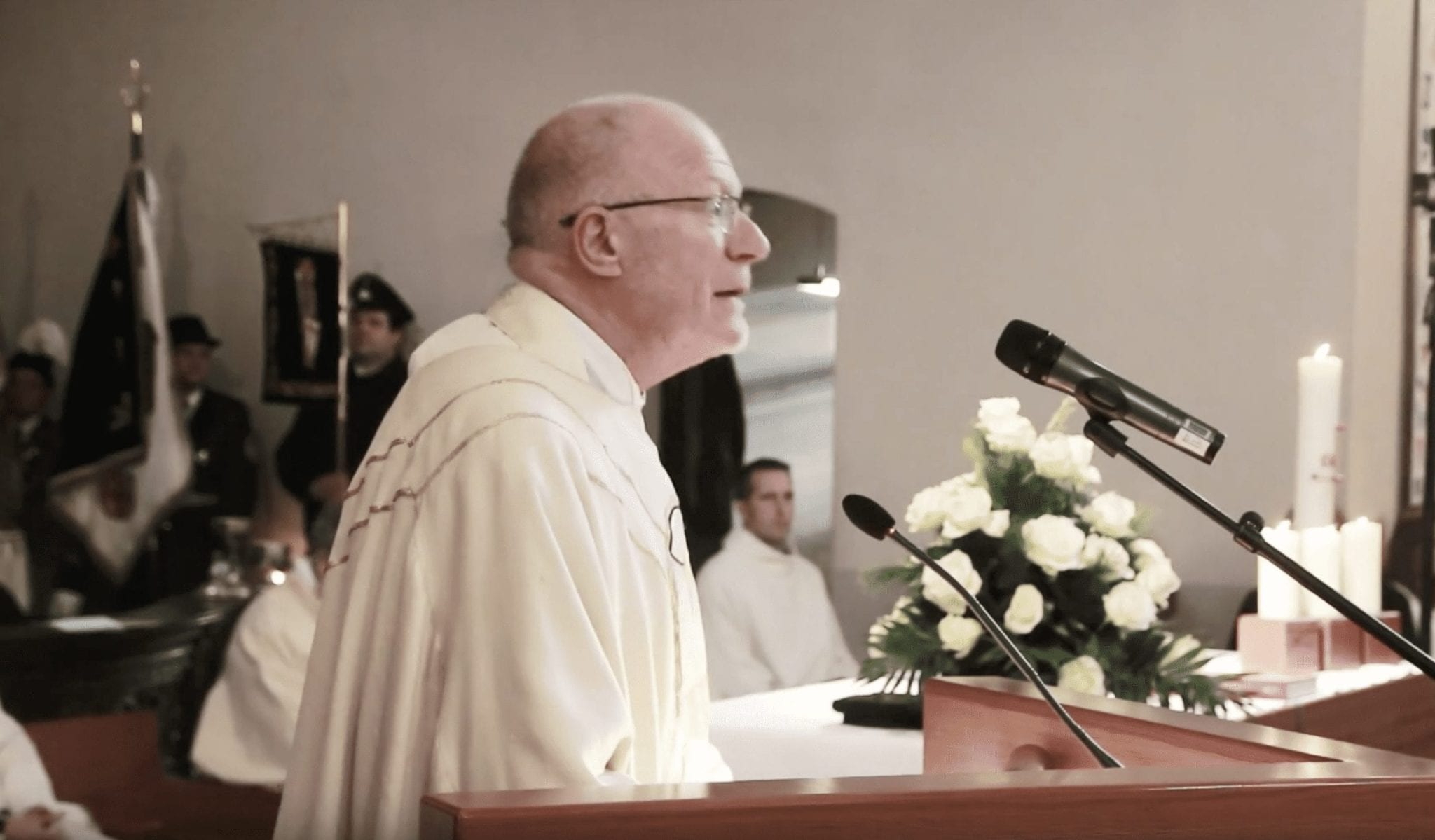
Hans Willi Schulte
Can you tell me briefly who you are and what you do?
My name is Hans-Willi Schulte, I am the brother master of the St. Martinus Schützenbruderschaft Borschemich from 1636.
What is a Brotherhood?
A brotherhood is a community of men and women here in Borschemich, in St.Martinus only men, that is committed to a common goal of community support for members, for those in need of help, that maintains the home structure, that is available for the homeland and in particular we see it as our task, the task of St. Martinus, that we keep the community of shooting brothers together in this process, that we try everything possible to be dedicated to the future so that we remain a community.
And what were you doing here now?
We have just removed stones from the masonry to distribute them today at the Eucharist, the last Eucharist, on the occasion of the de-dedication of this church at the end of this service, so that visitors have a souvenir of their home parish church.
How do you feel about them breaking stones out of your church now?
Well, this is a very emotional event. This is a manual activity at the moment, but the first stone or stones... let's say the demolition begins, the end times begin, that is very painful and will culminate this afternoon in this de-dedication ceremony.
What connection do you personally have with this church?
This church has accompanied me for 60 years. I am a native Borschemicher, a home birth, so I was born on Borschemicher soil and grew up here. I was an altar boy for many years, until I was 50 years old, we served here together at certain celebrations, especially when the rifle brotherhood had mass. I was baptized here, I was confirmed, I buried my parents here. Been here all my life as Borschemicher.
Can you imagine that if the church is actually torn down, you would take a look at it?
Yes, yes!
I've spoken to a lot of people who say 'No, I don't want to see that'.
As a brother master, I consciously accompanied and helped shape the transition from the old place, from our old hometown, to the new place. This is a task that we have taken on and that's why I think the povernization of this church is now well underway, but the end, the demolition, will then be a conclusion. I could imagine watching that, just like I watched the demolition work on my parents' house in the neighborhood and, and, and.
Your parents' house has already been demolished?
Yes, that was canceled last year.
How do you feel when you're standing there?
We have been dealing with this issue of resettlement for 30 years. In the 1970s we walked around the boundaries of the supposed opencast mine with pitch torches and marked this area. We have repeatedly pointed out the need for energy policy information in a variety of activities, but we have come to the realization that the individual has relatively little power and the community also has relatively little influence. It is very clear here that the common good is put in the foreground and in order to achieve that you have to give way. But this process, that everything doesn't fall apart, that people stay together, the thoughts of a village, the community stay together, that's a task and I think we've dedicated ourselves to it and we'll see it through to the end.
Now the new Borschemich has been here for some time. But it is attached to Erkelenz, so basically as someone unfamiliar with the area I would say it is a new development area of Erkelenz. Can you do it, and if so, how do you manage to preserve this village community and this village feeling?
We deliberately transferred native soil here in 2011 for Ascension Day. The idea came up that we have to symbolize this transition and so we picked up three buckets of earth at the Paland house, over there in the church complex at St. Martinus and in the cemetery, and took this earth on foot to our new location, to the linden tree in Neu-Borschemich, then poured it out there and blessed it and around 200 people accompanied us on this path from old to new. have helped to shape and consciously experienced it. That was the starting signal for the whole thing. Then we organized the district shooting festival in Neu-Borschemich, which we had applied for many years ago for 2011, and that was also a feeling of togetherness. Community work became necessary, where people were simply challenged and also moved together and simply turned to this community idea. So we are not dissatisfied. The explanation why it has a village character and not a residential area, if you drive into Neu-Borschemich today, you can stop at the house on the left and ask 'Who lives up there at the end of this supposed building area on the right?' The person can tell you which name is placed there, whether at the back right or back left. As long as we can keep that, we will have a village character and if that is lost, then we will simply be a development area.
Now the next resettlement site for Keyenberg and the surrounding villages is directly behind Neu-Borschemich...
Yes between Borschemich and Rath-Anhoven…
Don't you be afraid that it will basically be lost, that there will only be one big...
We'll see what developments bring. Of course we are moving a little closer together, but we have already tried in various places to bring this community, this community of fate, to the fore, to enliven it a little. When we moved from old-Borschemich to new-Borschemich in 2011, we stopped in Keyenberg, Kuckum and Venrath as brotherhood members and said goodbye there. We said: 'Well, we're off now!' Today, for example, at the end of this Eucharistic celebration, we will return the Blessed Sacrament to our mother church in Keyenberg, where it was in 1804 when the sacraments came here, when Borschemich became a parish, then transferred from Keyenberg to Borschemich. So the circle closes back in 1804, it came from Keyenberg to Borschemich and in 2014 it goes back from Borschemich to Keyenberg, before it will be transferred to the new chapel on May 3rd in 2015 and probably again with the brotherhood in a foot procession, in a foot march.
Thank you very much.
Demolition of the church
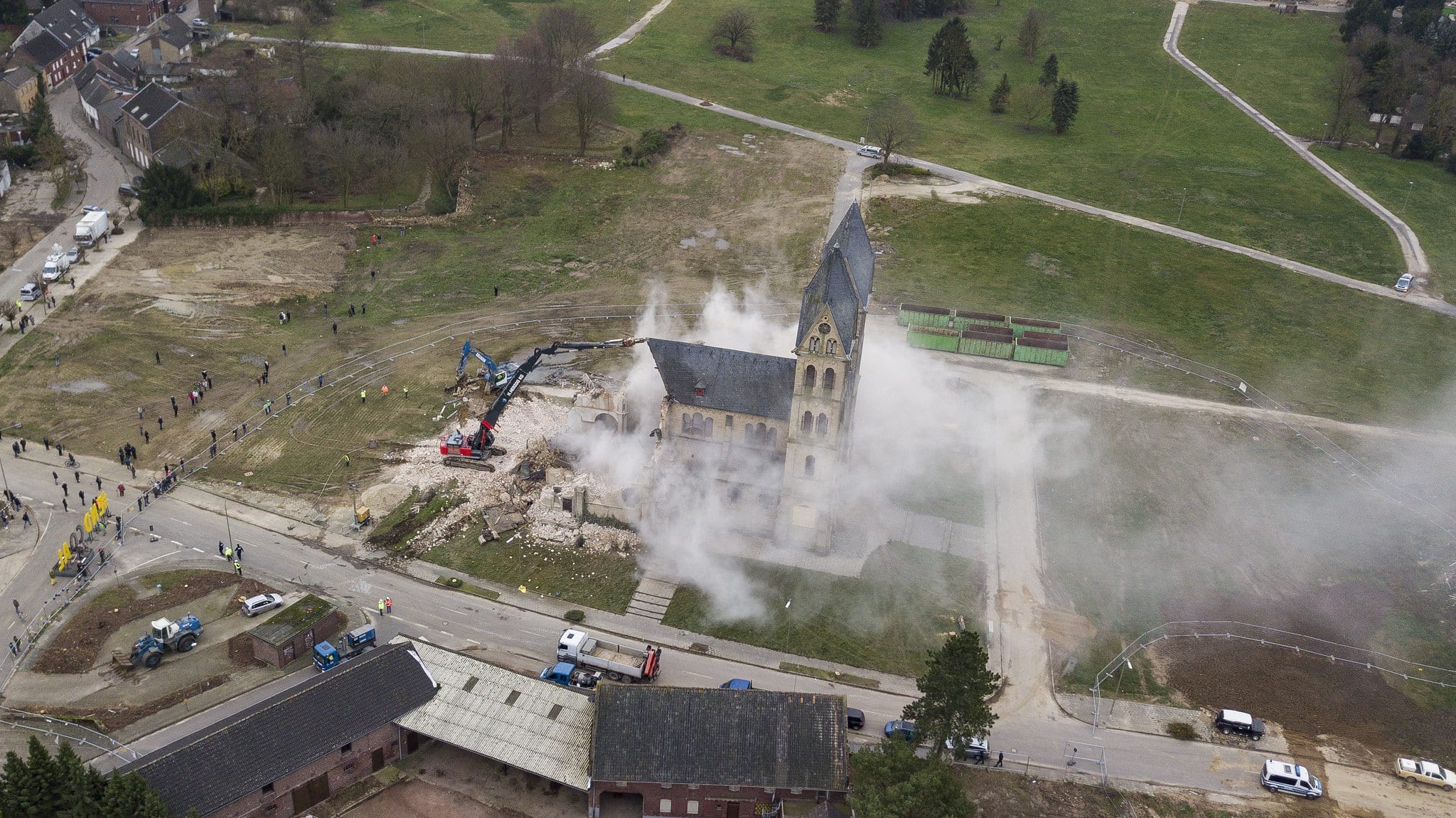
Most of the time, the churches have already become the property of RWE before the last service. As long as there is no replacement at the new location, the old church building will still be used. But once the last service has been celebrated and all preparations have been made, the church building will be demolished. Up to and including the demolition of the Borschemich church in 2016, church demolitions in the Garzweiler II area were only reported regionally and there were only a few interested people present on site. This changed suddenly with the demolition of the Immerath church. On the one hand, this may have been due to the size and splendor of this church, but certainly also due to the changed public perception. Dozens of camera teams, hundreds of onlookers and a large police presence accompanied the demolition of the church in January 2018.


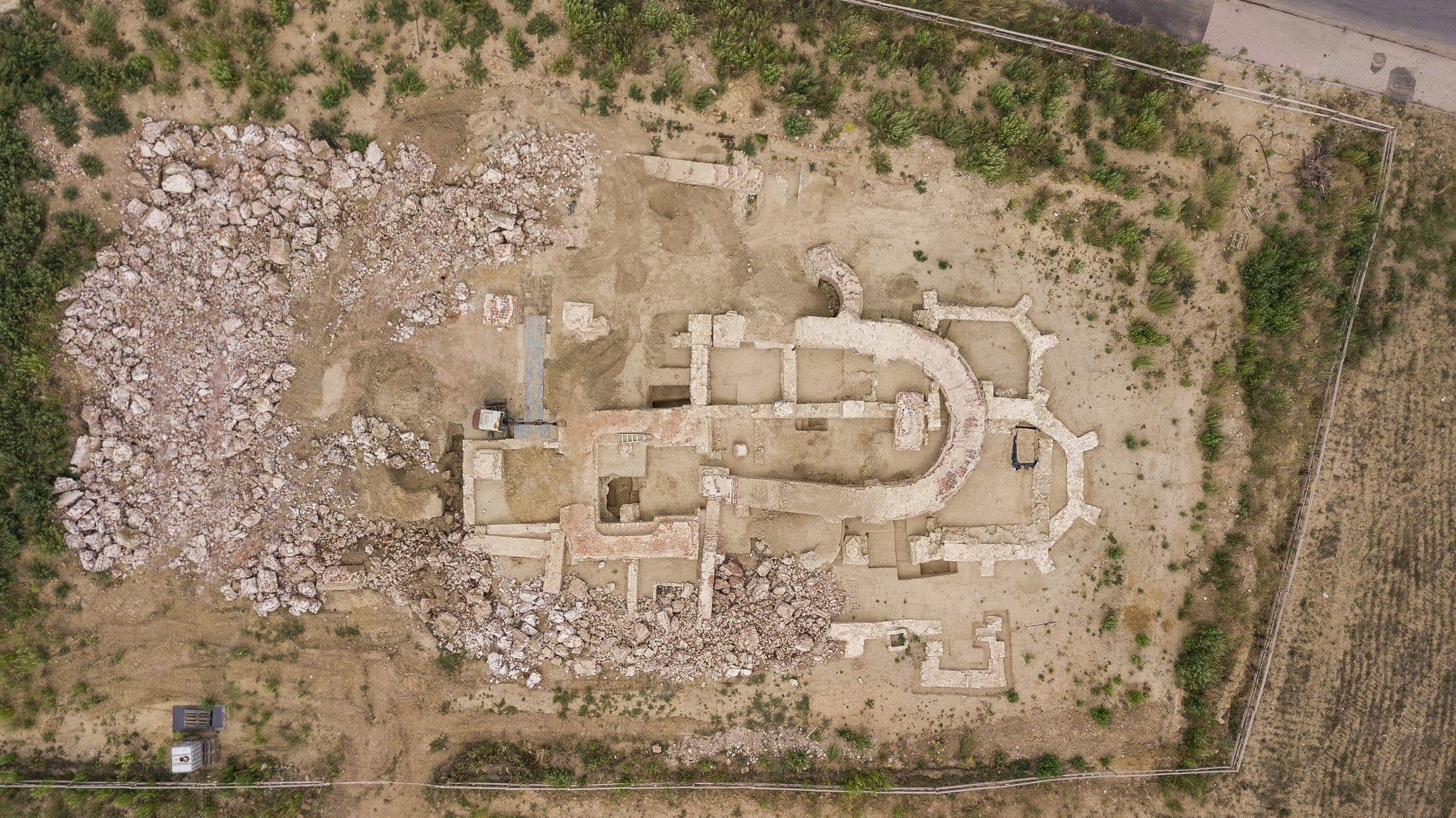
Archaeological excavations


The new places of worship
 Otzenrath (new)
 Otzenrath (old)
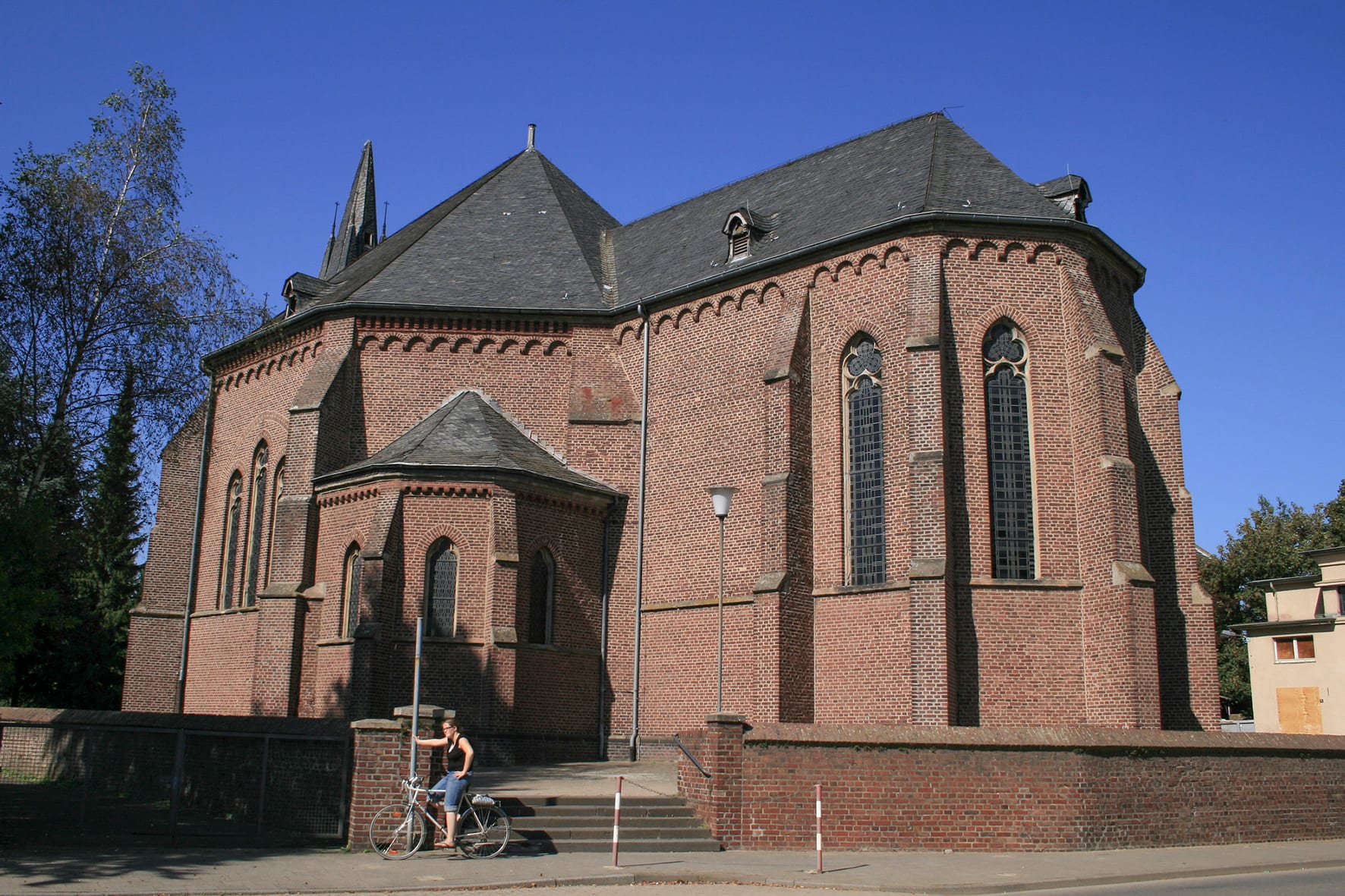
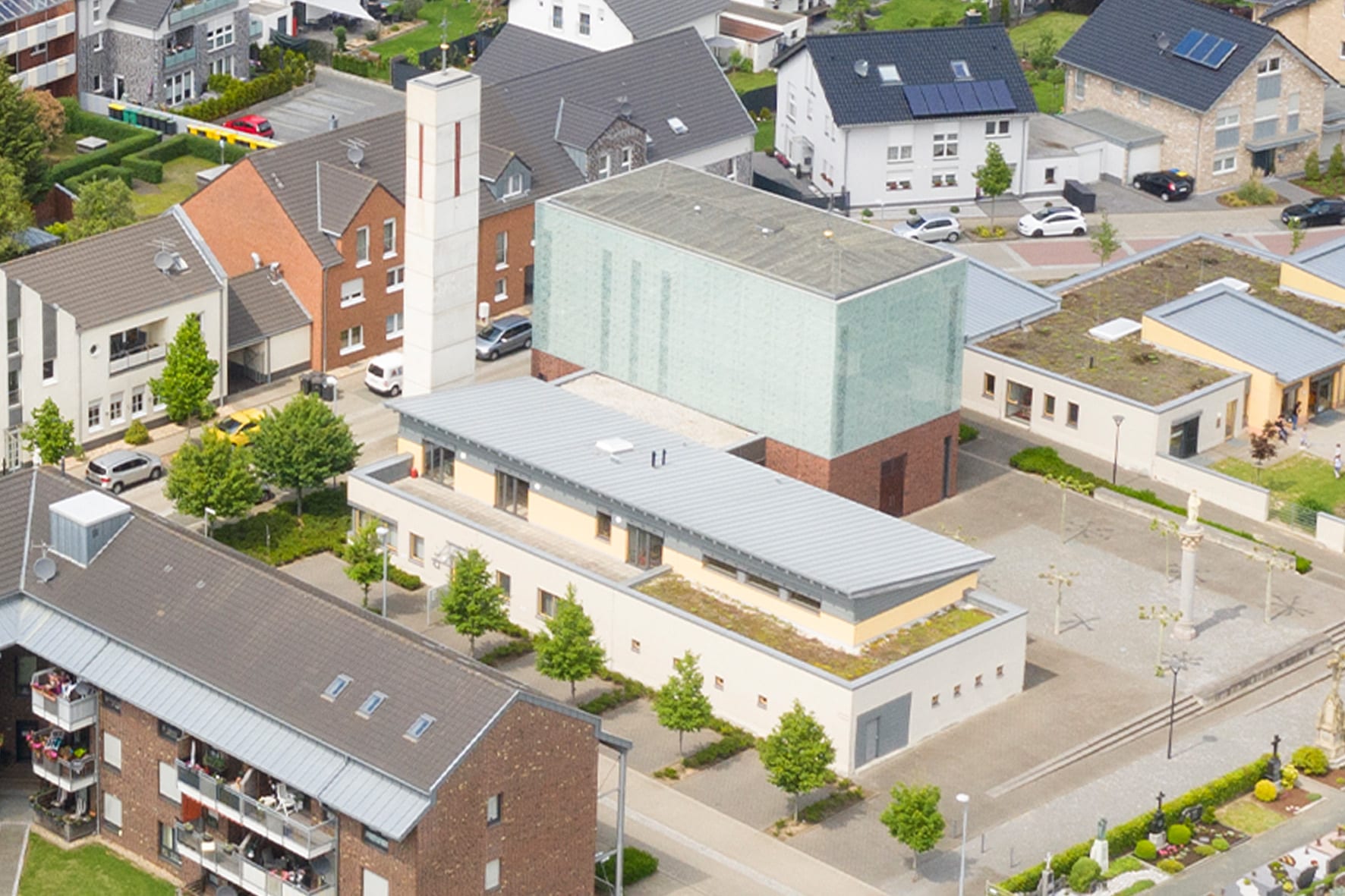
 Immerath (new)
 Immerath (old)


 Otzenrath (new)
 Otzenrath (old)
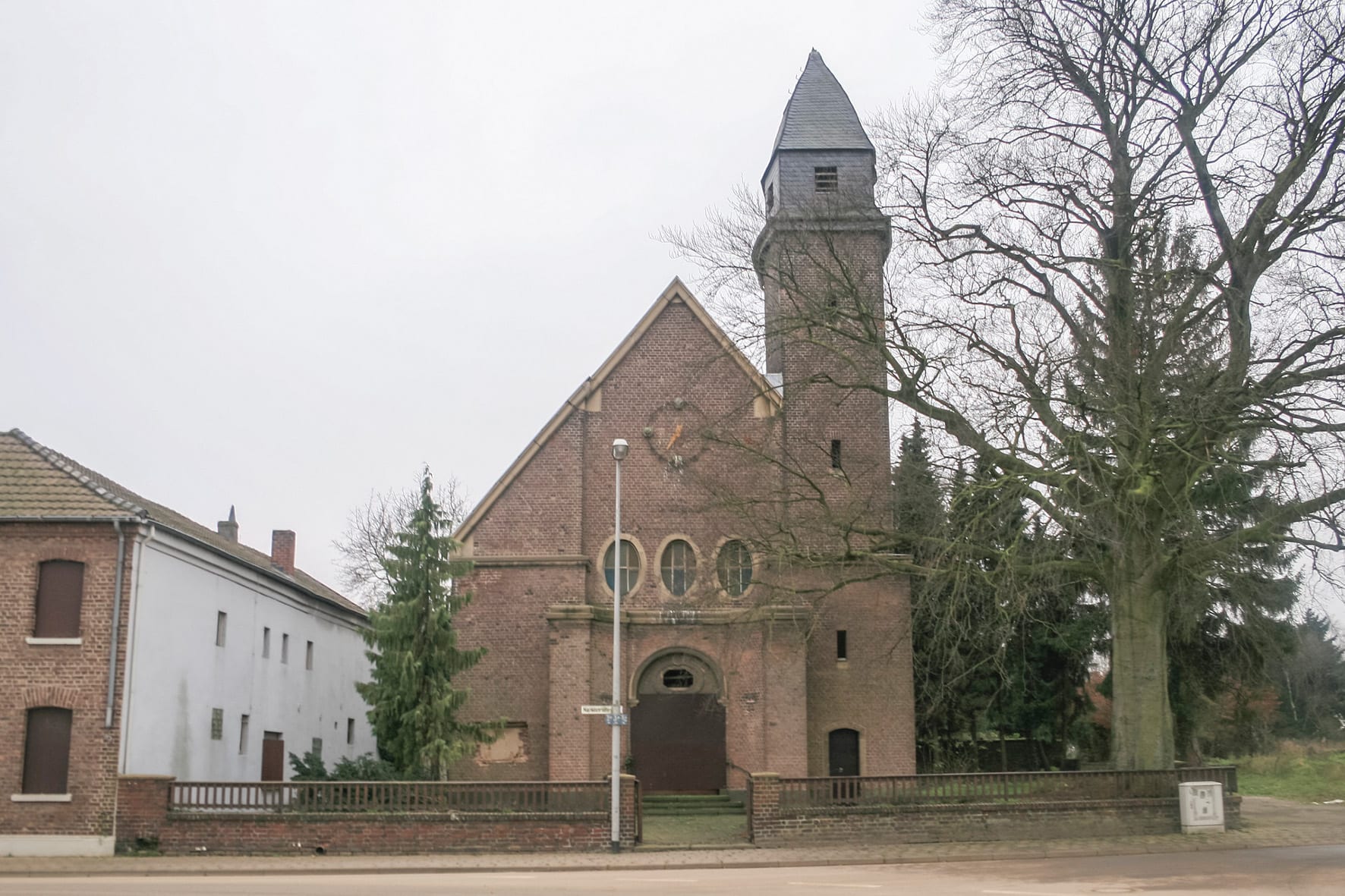
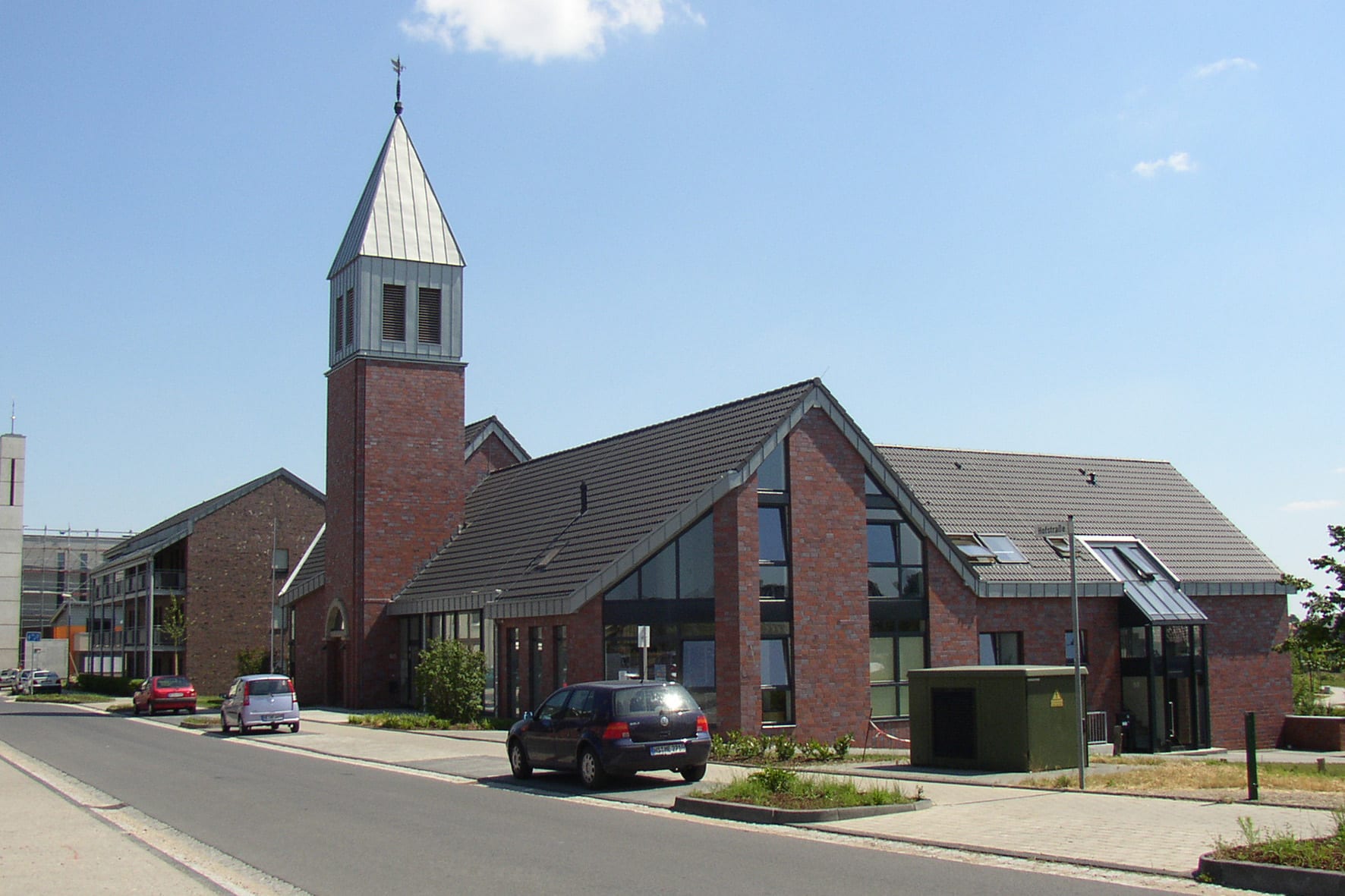
 Borschemich (new)
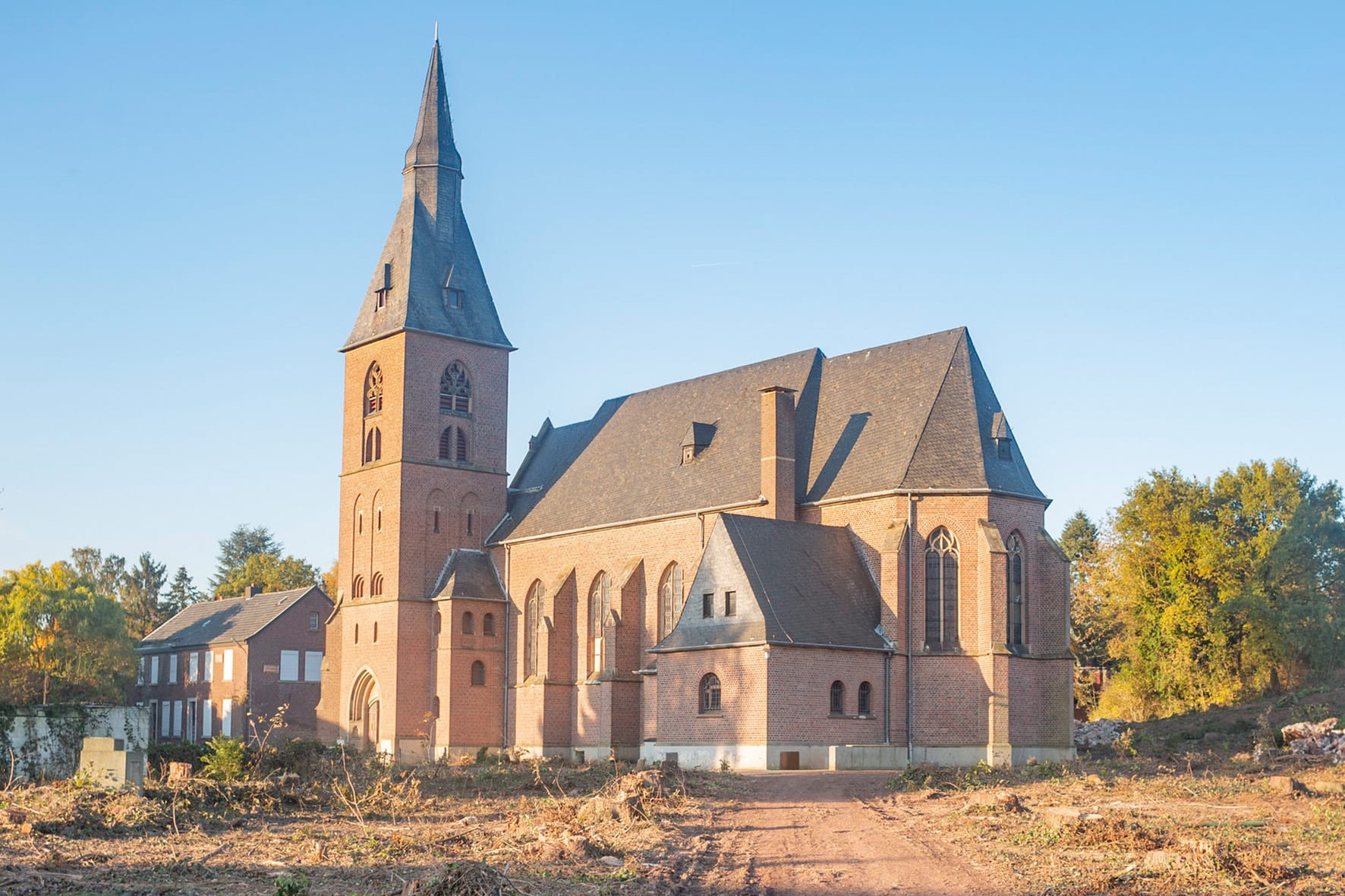
 Borschemich (old)
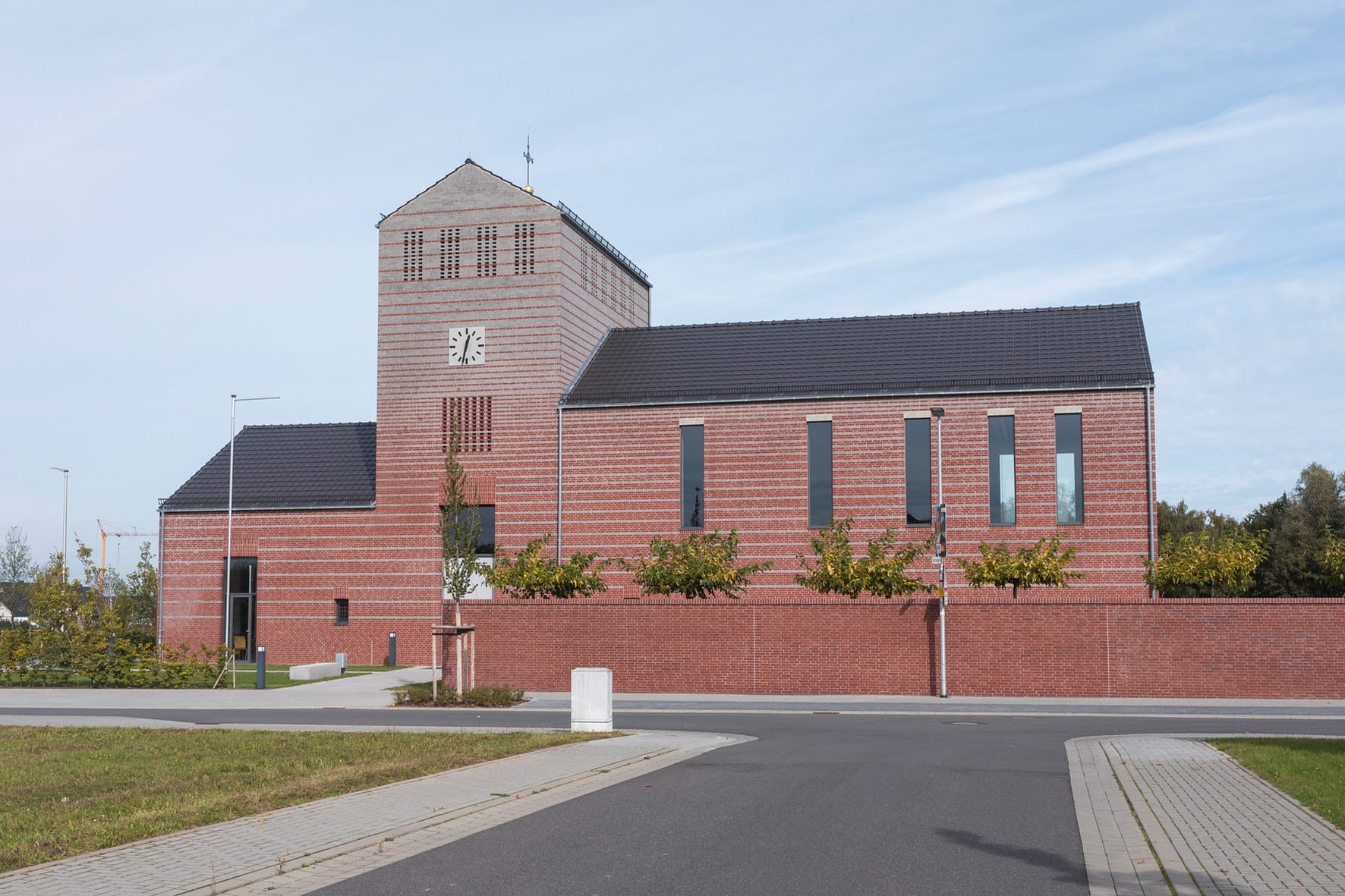
More images from the original page